You've likely heard about layering in the context of facial skincare - serums before moisturizers, lightest to heaviest, water-based before oil-based. The same logic applies to body care, but almost no one talks about it.
The order you apply products affects how well each one absorbs, how long the benefits last, and whether the products work together or against each other. Getting this right doesn't require more products or more time. It just requires a sequence that makes sense.
Why Order Matters
Your skin isn't a passive surface. It absorbs ingredients at different rates depending on what's already on it, the amount of moisture present, and whether the surface has been prepared.
Applying a heavy cream to skin that hasn't been exfoliated means the cream sits on top of dead skin rather than reaching the fresh layer underneath. Applying magnesium after a thick body butter creates a barrier that reduces magnesium absorption. Using a scrub after a long soak means you're scrubbing skin that's already soft and vulnerable.
None of these is harmful. They're just inefficient. The right order makes every product more effective without adding any extra steps.
The Layering Framework
Here's the general principle: start with preparation, move through treatment, and finish with protection. Within that, lighter and water-based products go before heavier, oil-based ones.
Step 1 - Exfoliate (if it's a scrub day) Body scrub on dry or slightly damp skin, before water immersion. This clears dead skin so everything that follows absorbs better. Once or twice a week is enough.
Step 2 - Cleanse Body wash in the shower or bath. This removes surface dirt, oil, and any remaining scrub residue. Use warm water - not hot - to avoid stripping your skin's natural moisture.
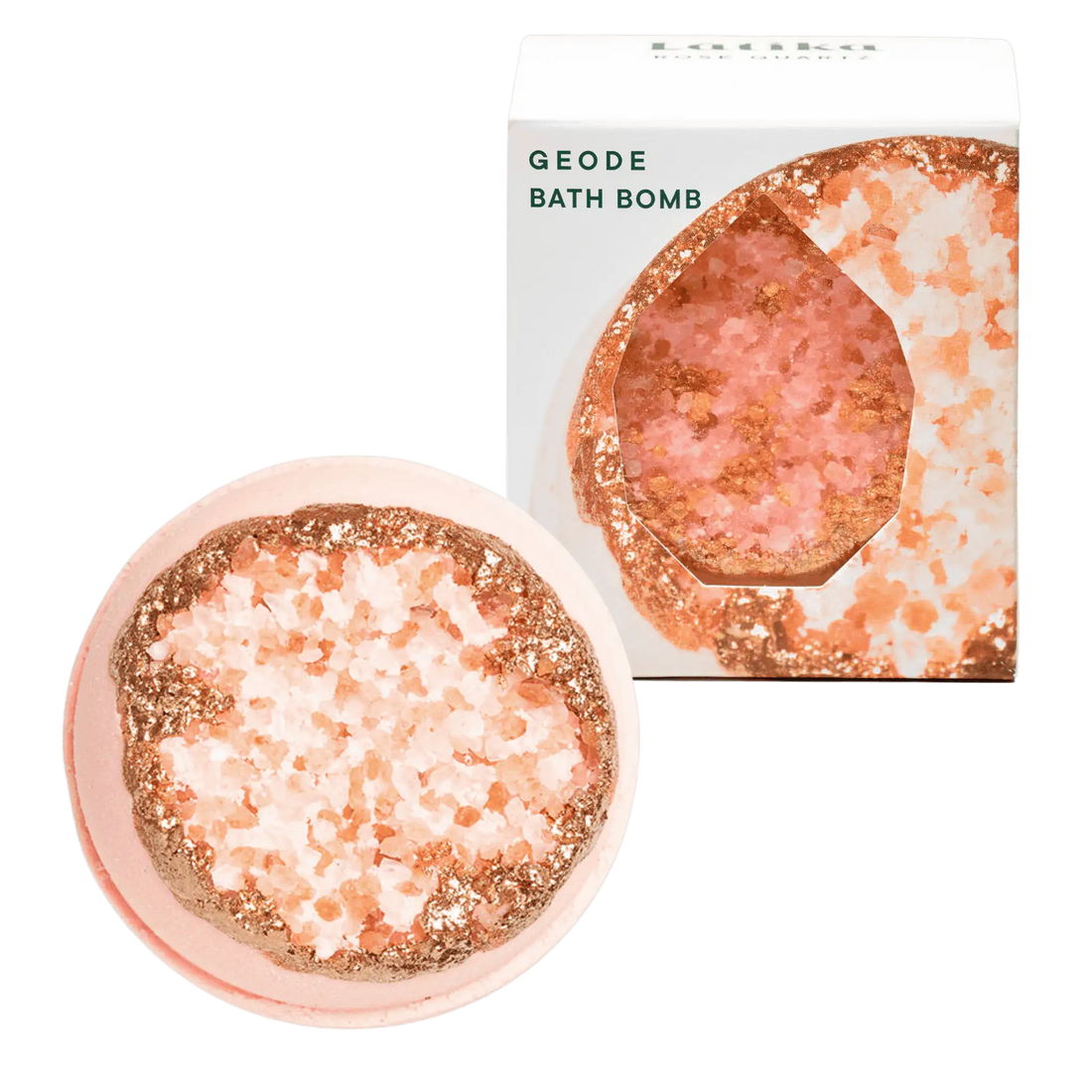
Step 3 - Soak or steam (if it's a bath day) Bath soak, bath bomb, or shower steamer. The warm water opens pores and the active ingredients - minerals, essential oils, magnesium - absorb directly into softened skin. This is your treatment step. Give it 15-20 minutes in the bath, or a full shower with the steamer.
Step 4 - Moisturize (the two-minute window): Apply body cream or lotion within 2 to 3 minutes of stepping out, while skin is still slightly damp. Pat dry gently first - don't rub. Damp skin absorbs cream significantly more effectively than dry skin. This is the step most people either skip or delay too long.
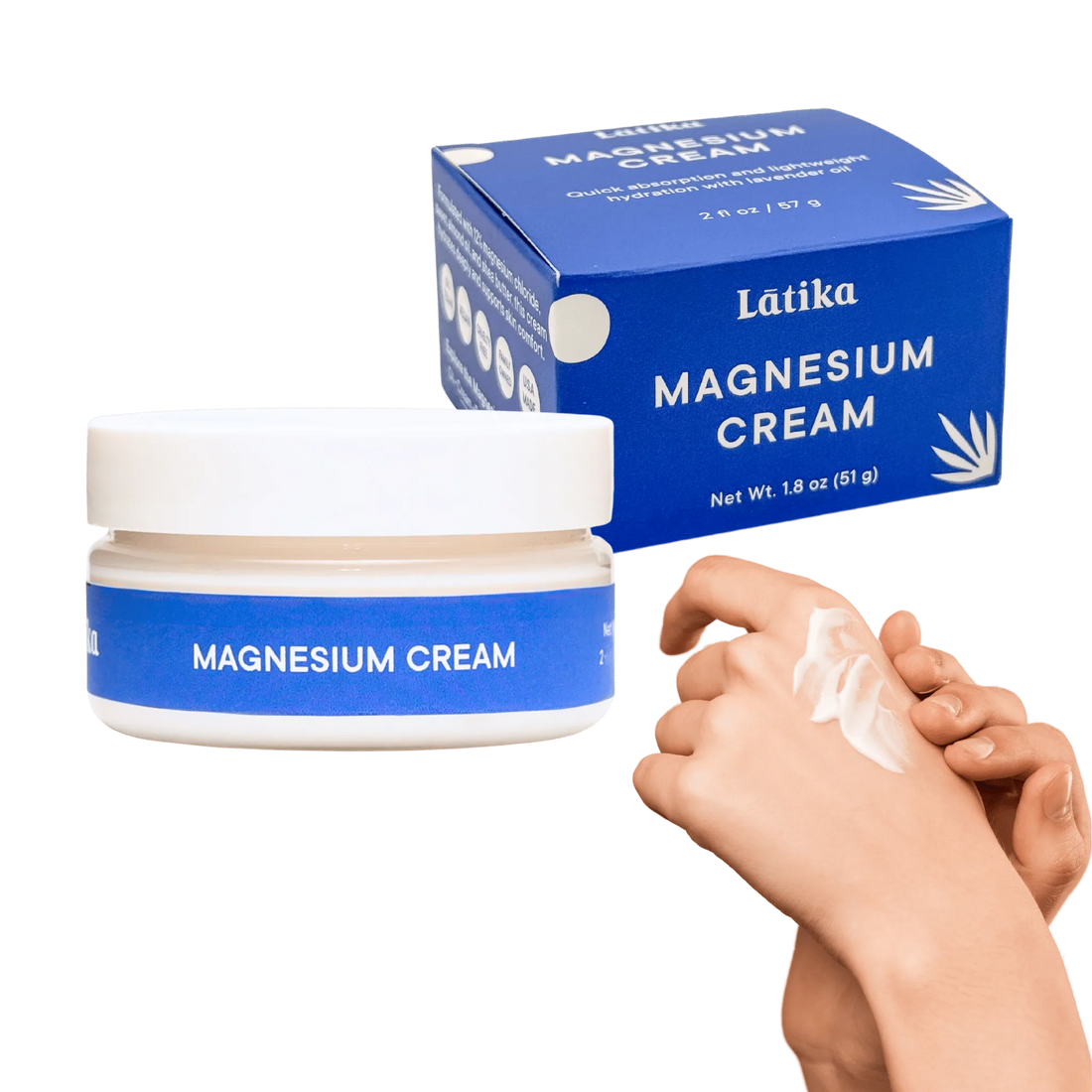
Step 5 - Target (optional) Magnesium cream on specific areas - shoulders, neck, calves, feet. This goes on after your body cream because it's a targeted treatment, not a full-body moisturizer. The cream underneath provides hydration; the magnesium on top delivers mineral benefits to the areas that need them most.
Expert Insight: The reason damp skin absorbs cream better is that water on the skin's surface helps carry the cream's active ingredients into the upper epidermis. The emollients in the cream then seal that moisture in, reinforcing the skin's barrier. Waiting too long - even 10 minutes - reduces this effect measurably.

Common Mistakes
Scrubbing after soaking. Post-soak skin is softened and more vulnerable. Scrubbing at this point can cause micro-irritation and compromise the moisture barrier you just replenished. Always exfoliate before water immersion, not after.
Applying magnesium before moisturizer. If you apply magnesium cream to bare, dry skin and then layer a body cream over it, the body cream can create a barrier that traps the magnesium on the surface rather than allowing it to absorb. Apply moisturizer first, let it absorb for a minute, then apply magnesium to the targeted areas.
Skipping moisturizer entirely after a bath. A bath softens your skin and opens your pores, but if you don't seal that moisture in with a cream or lotion, the water evaporates and takes your skin's natural moisture with it. This is called trans-epidermal water loss, and it's why some people feel drier after a bath than before.
Using too many heavily fragranced products in sequence. If your scrub, body wash, bath soak, and cream all have strong, different fragrances, they compete rather than complement. Either match scents across products or use fragrance-free products for most steps, and let one product carry the scent.
Simplified Versions
Not every day requires the full sequence. Here's how to scale it based on time.
Full ritual (bath day - 30 minutes): Scrub - body wash - bath soak or bomb - body cream on damp skin - magnesium cream before bed
Standard daily (shower - 10 minutes): Body wash - body cream on damp skin - magnesium cream in the evening
Minimum effective (5 minutes): Shower - body cream on damp skin
The most important single habit is the body cream on damp skin within two minutes of bathing. If you do nothing else differently, start there. It's the highest-impact change with the least effort.
Building Your Own Sequence
The framework above is a starting point, not a prescription. Your routine should reflect what your skin needs and how much time you have. Some people exfoliate twice a week and take baths on weekends. Some shower daily and save the full ritual for evenings when they need it.
The goal isn't a rigid routine. It's about understanding the logic: prep before treatment, treatment before moisture, moisture before targeted application, so you can make each product work harder, regardless of how many steps you include.