


Recovery for the Body After Effort
This collection is for the moment after work.
Post-workout, post-physical labor, or after a long day that left your shoulders carrying tension.
Magnesium chloride soaks, creams, and oil absorb through the skin to relax muscles directly.
Epsom and essential oil blends combine aromatherapy compounds like eucalyptus, peppermint, and rosemary.
Black Hatchet line is the same recovery ritual, built for a man's bathroom.
11 products
-
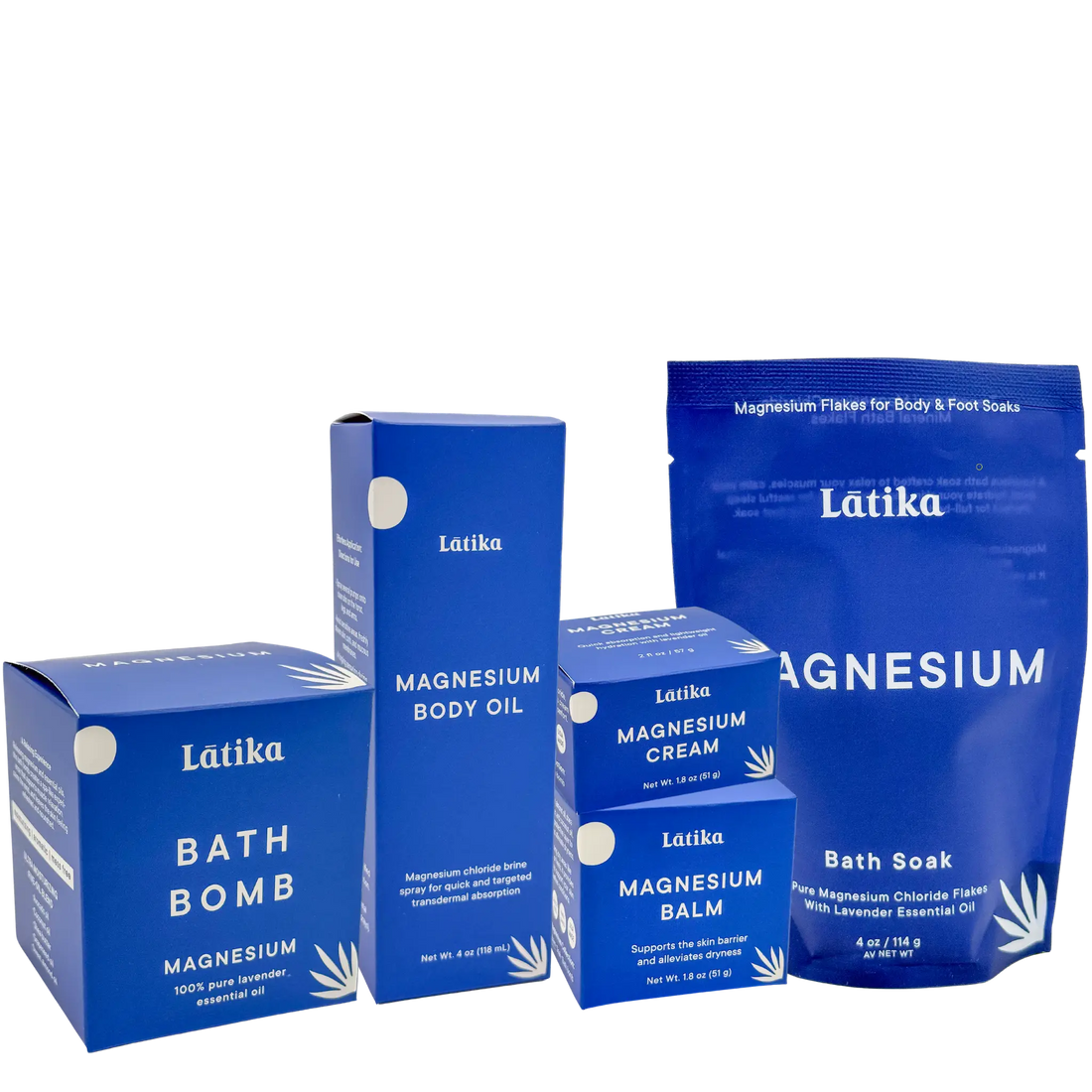
 Magnesium Ritual BoxMagnesium Ritual Box
- Regular price
-
$57.00 - Regular price
-
$60.00 - Sale price
-
$57.00
Quick view
-

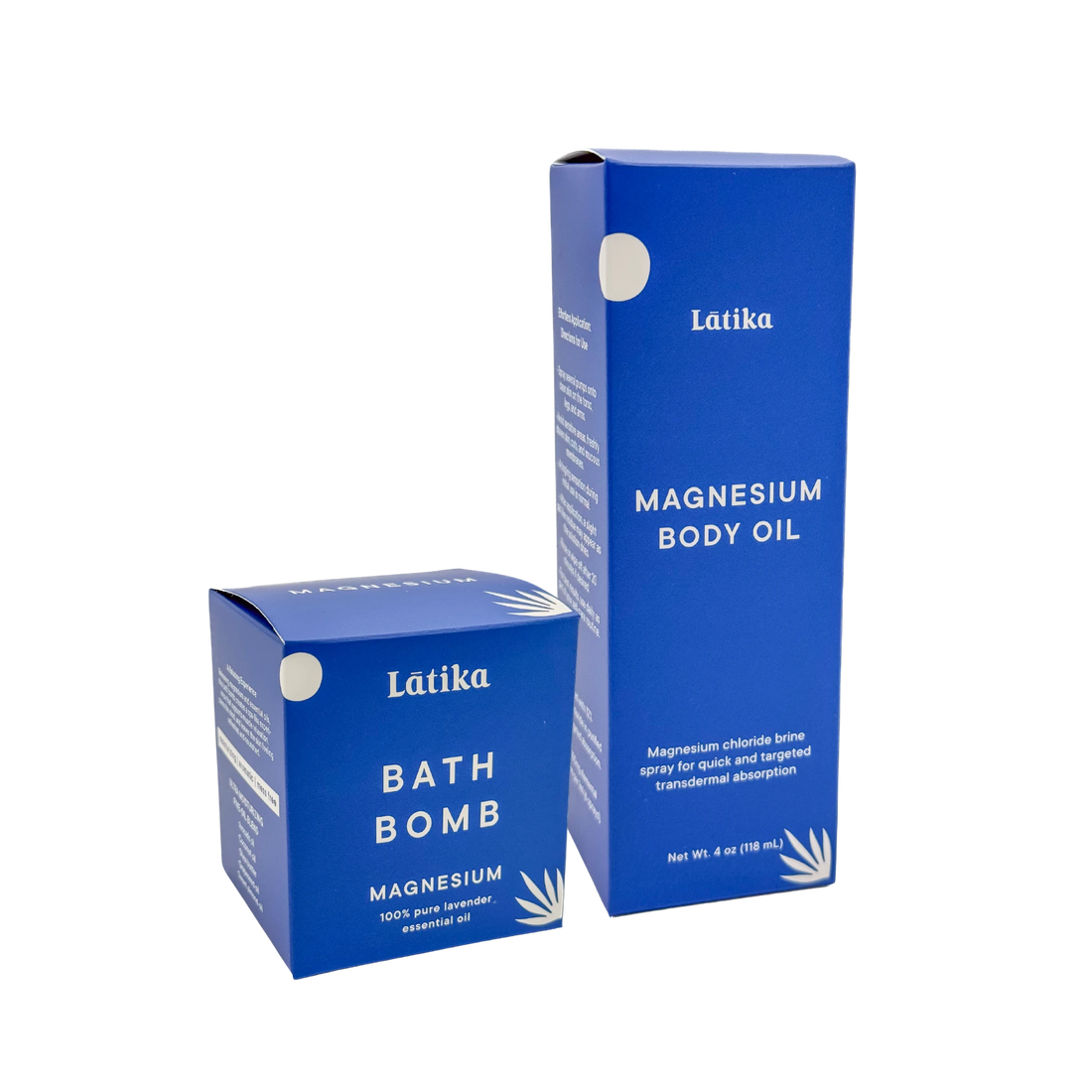
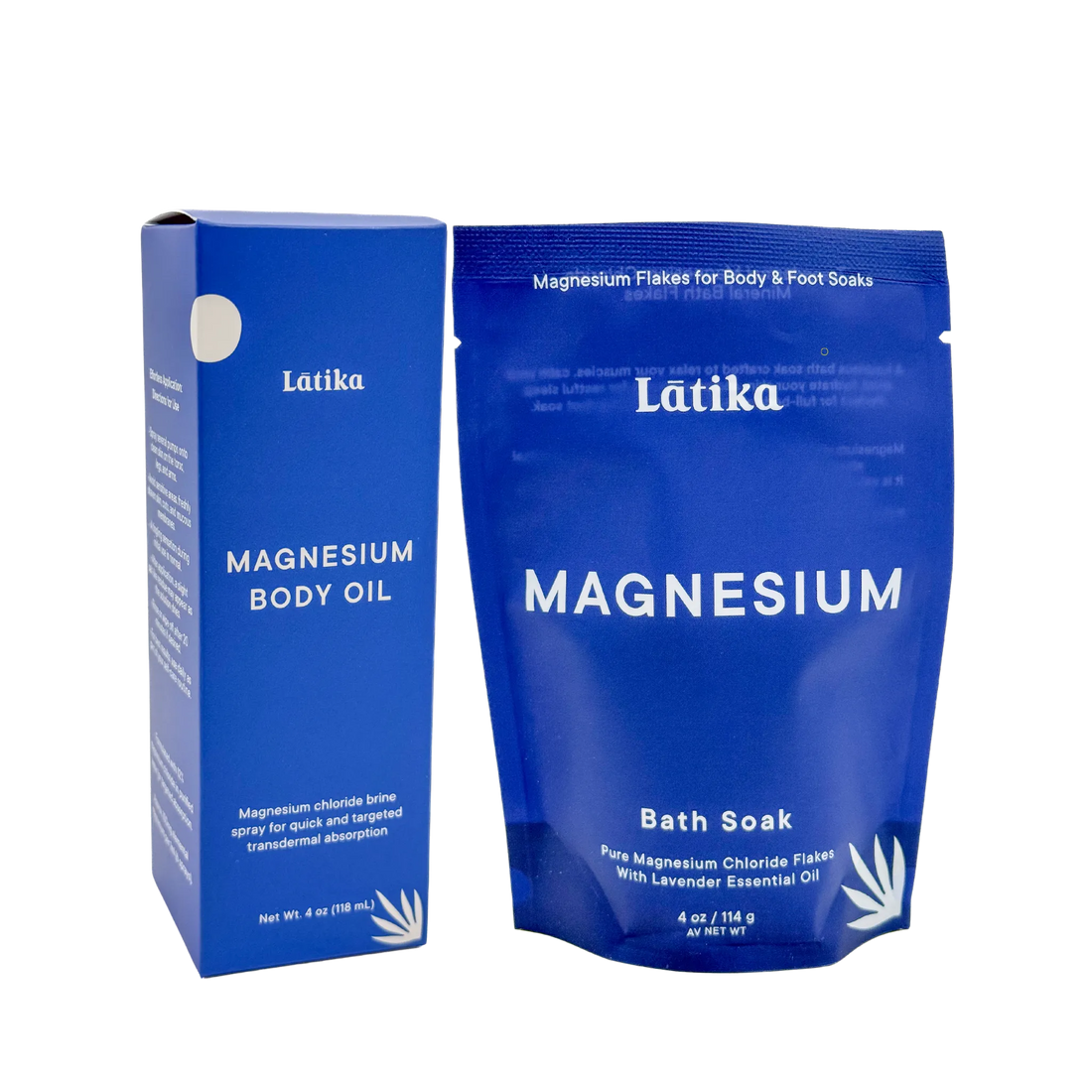
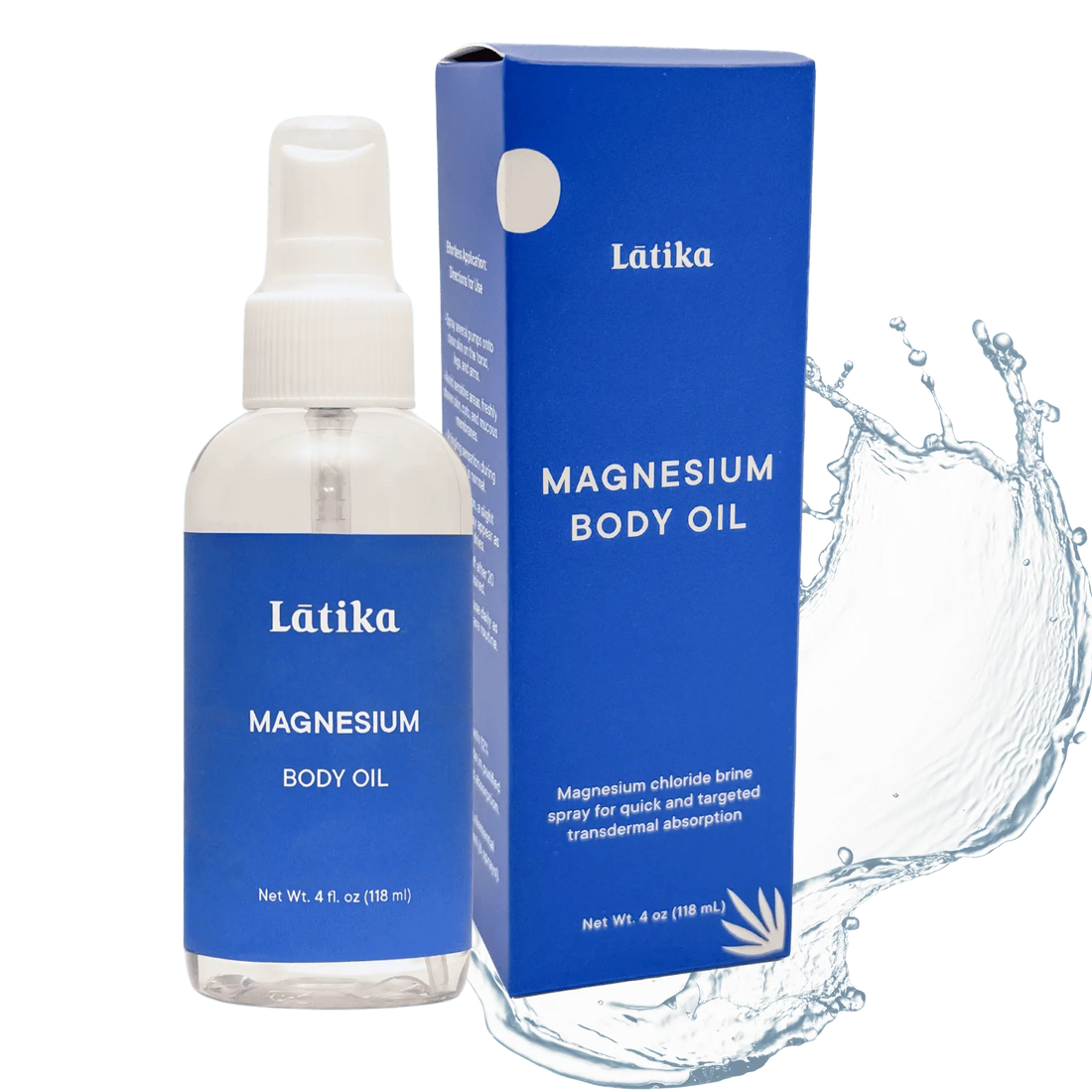 Magnesium Oil SprayMagnesium Oil Spray
- Regular price
-
$12.00 - Regular price
-
- Sale price
-
$12.00
Quick view
-
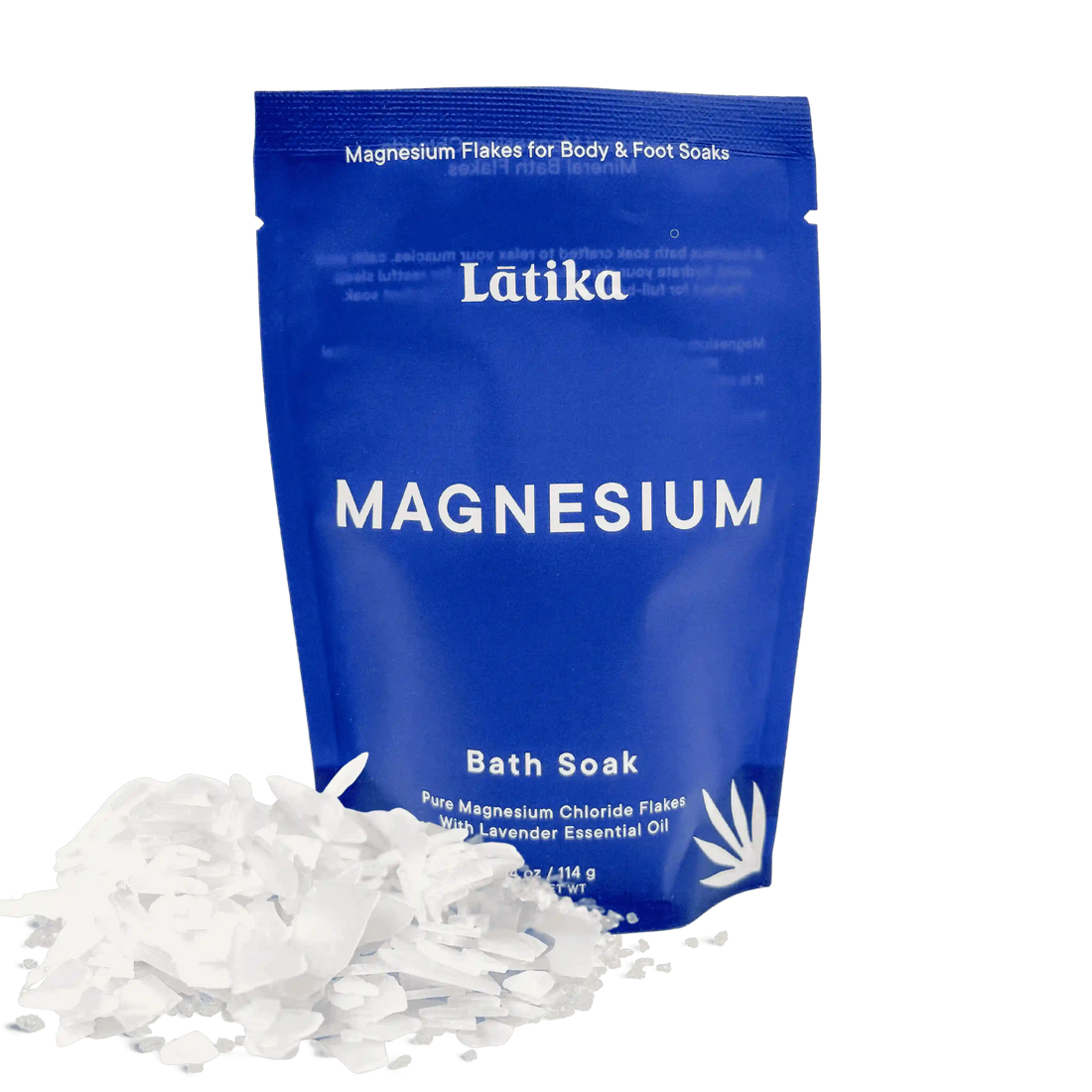
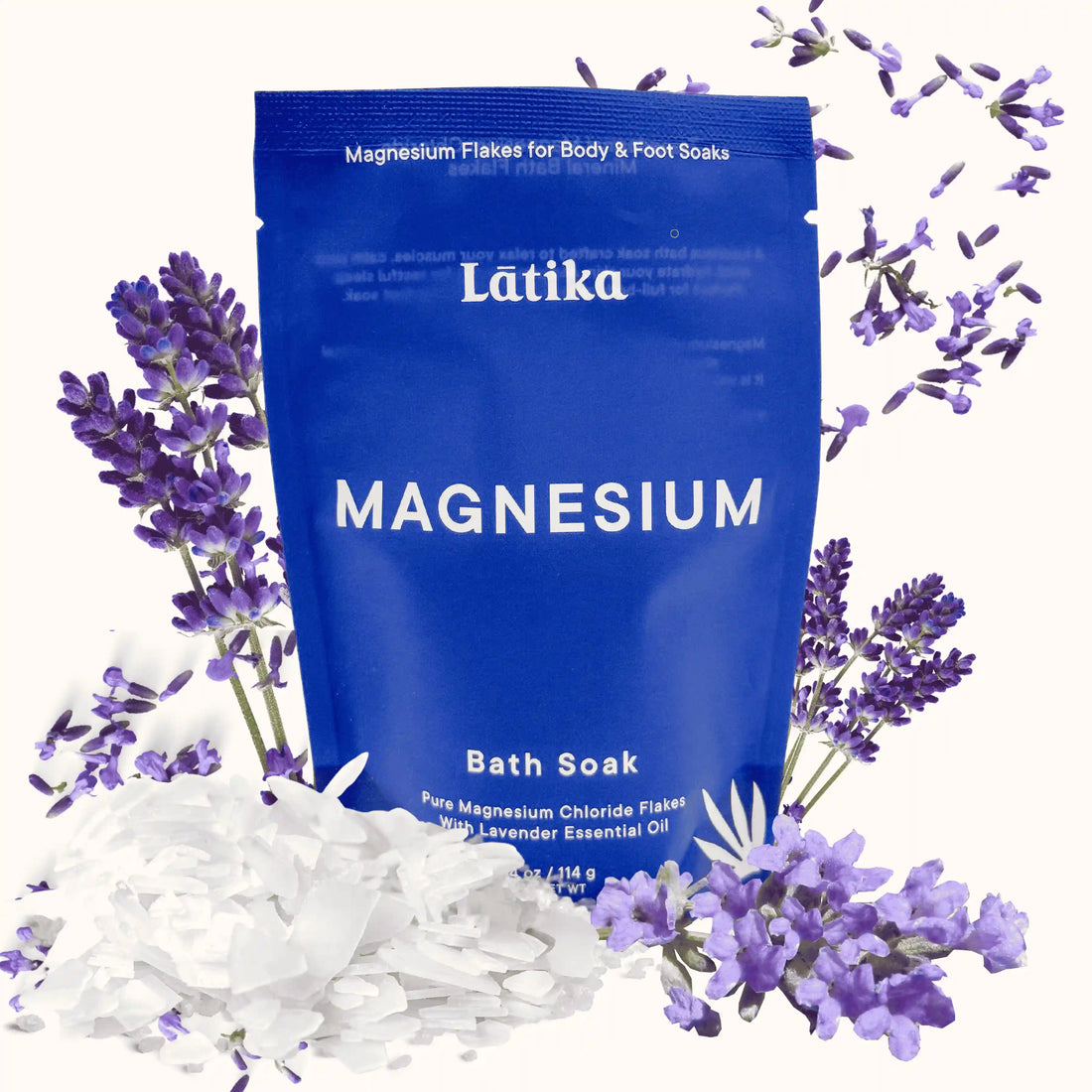 Magnesium Bath SoakMagnesium Bath Soak
- Regular price
-
$10.00 - Regular price
-
- Sale price
-
$10.00
Quick view
-
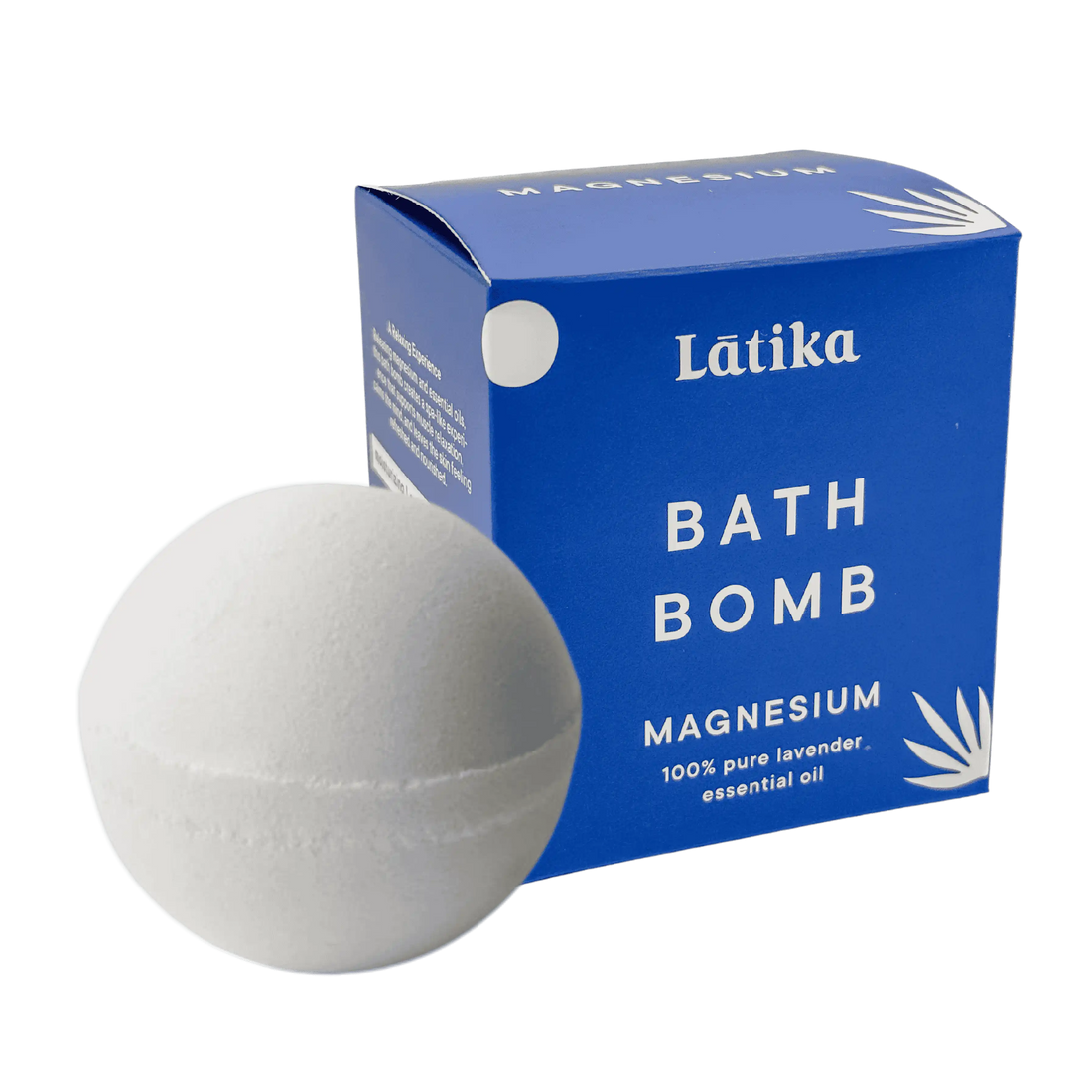
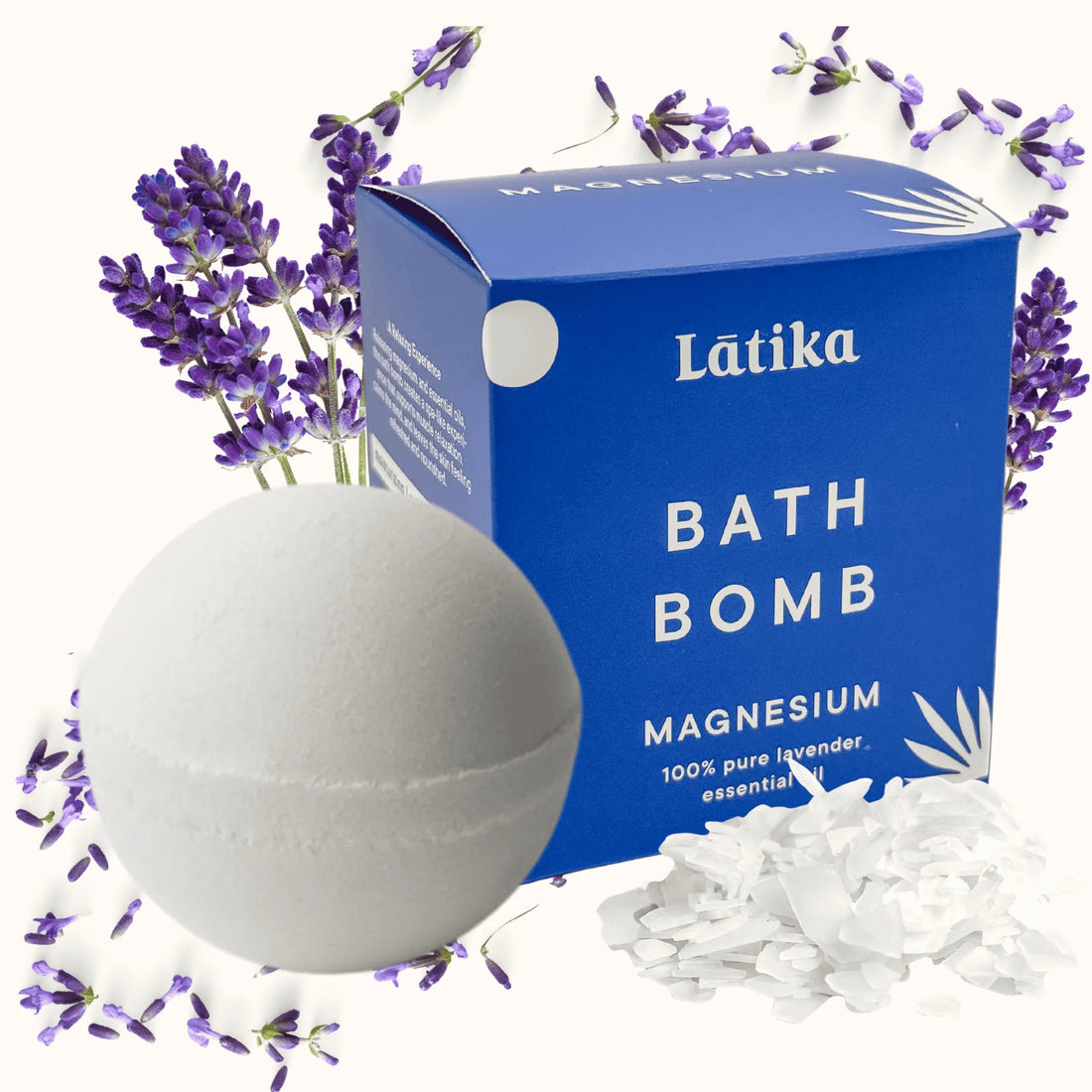 Magnesium Bath BombMagnesium Bath Bomb
- Regular price
-
$10.00 - Regular price
-
- Sale price
-
$10.00
Quick view
-
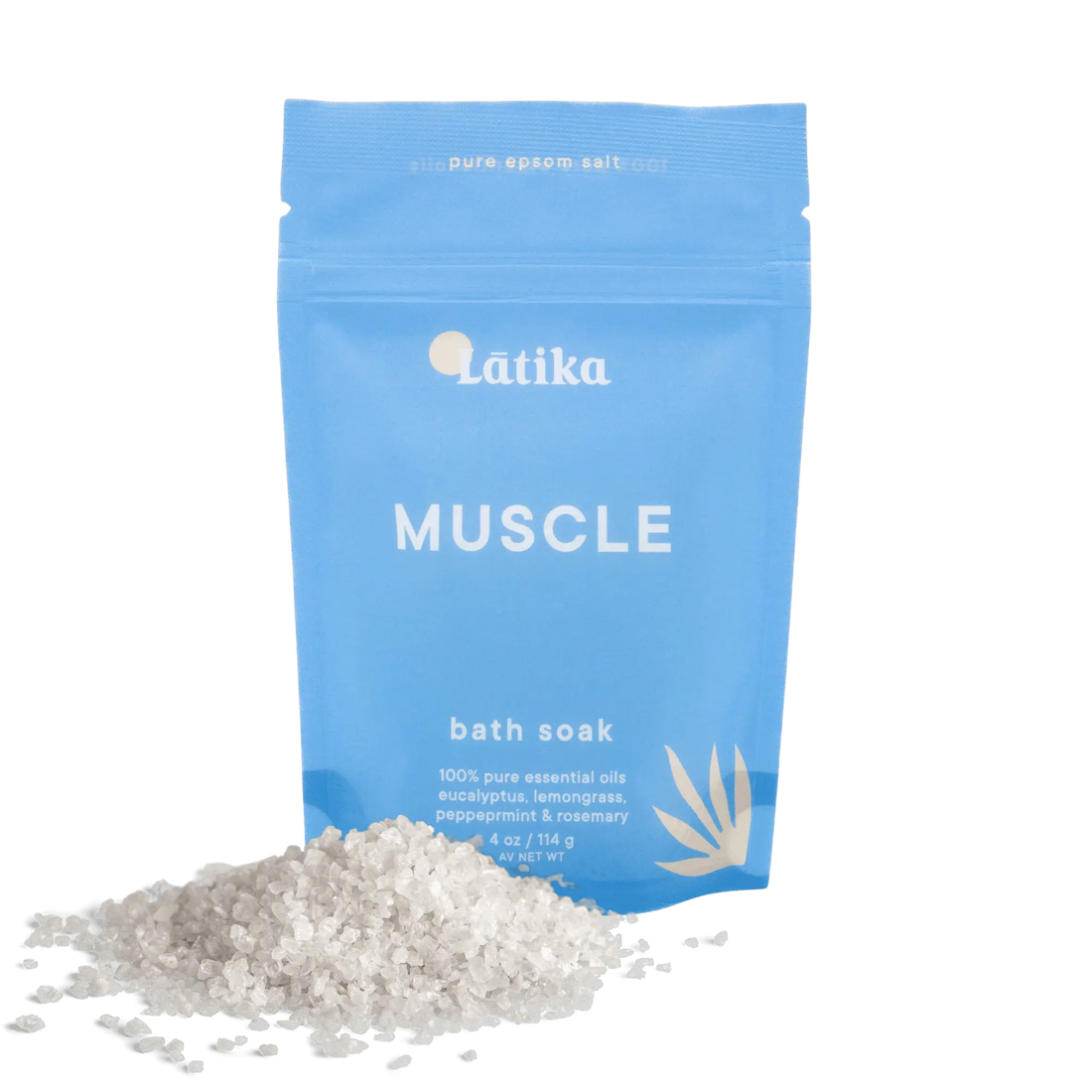
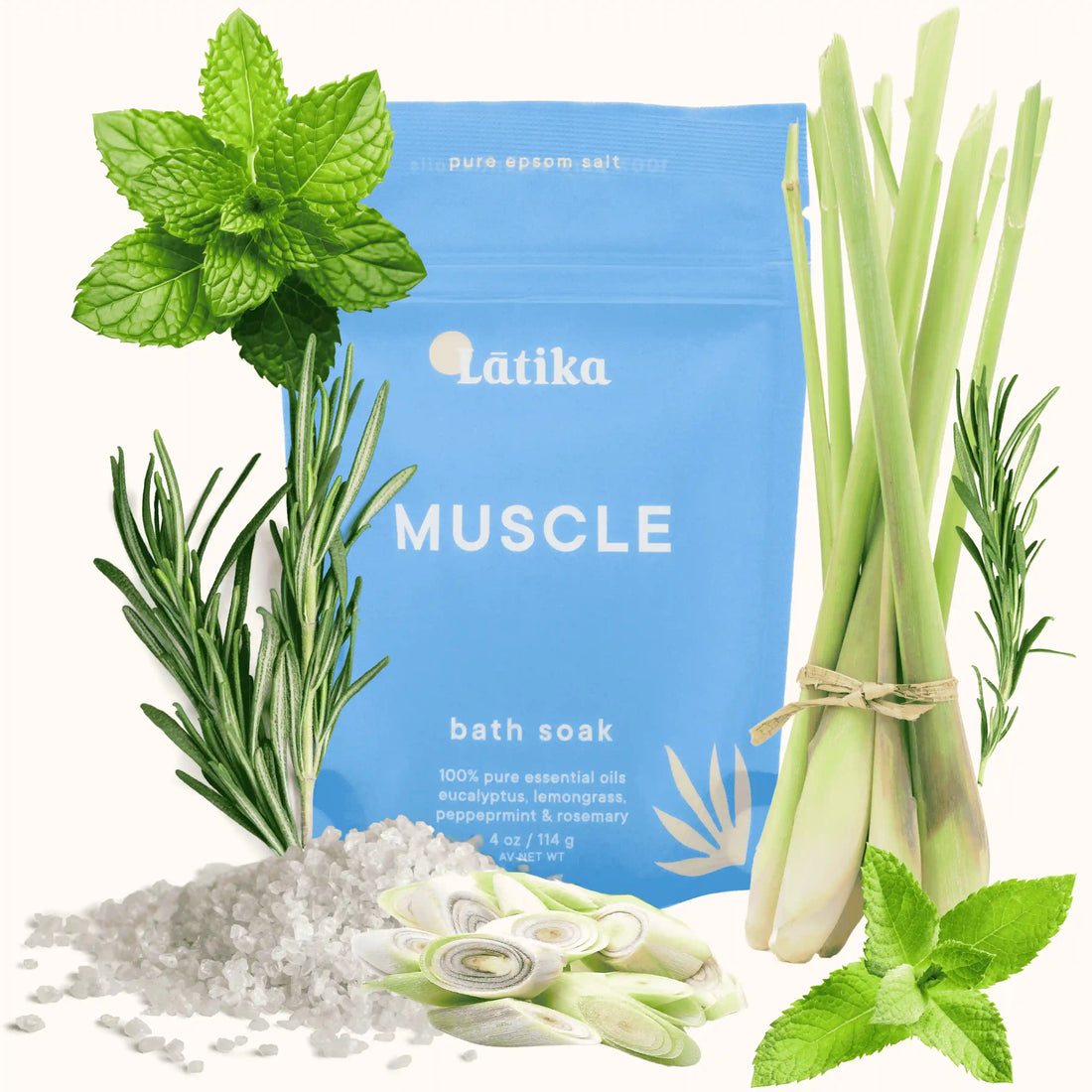 Epsom Salt Bath Soak - MuscleEpsom Salt Bath Soak - Muscle
- Regular price
-
$8.00 - Regular price
-
- Sale price
-
$8.00
Quick view
-
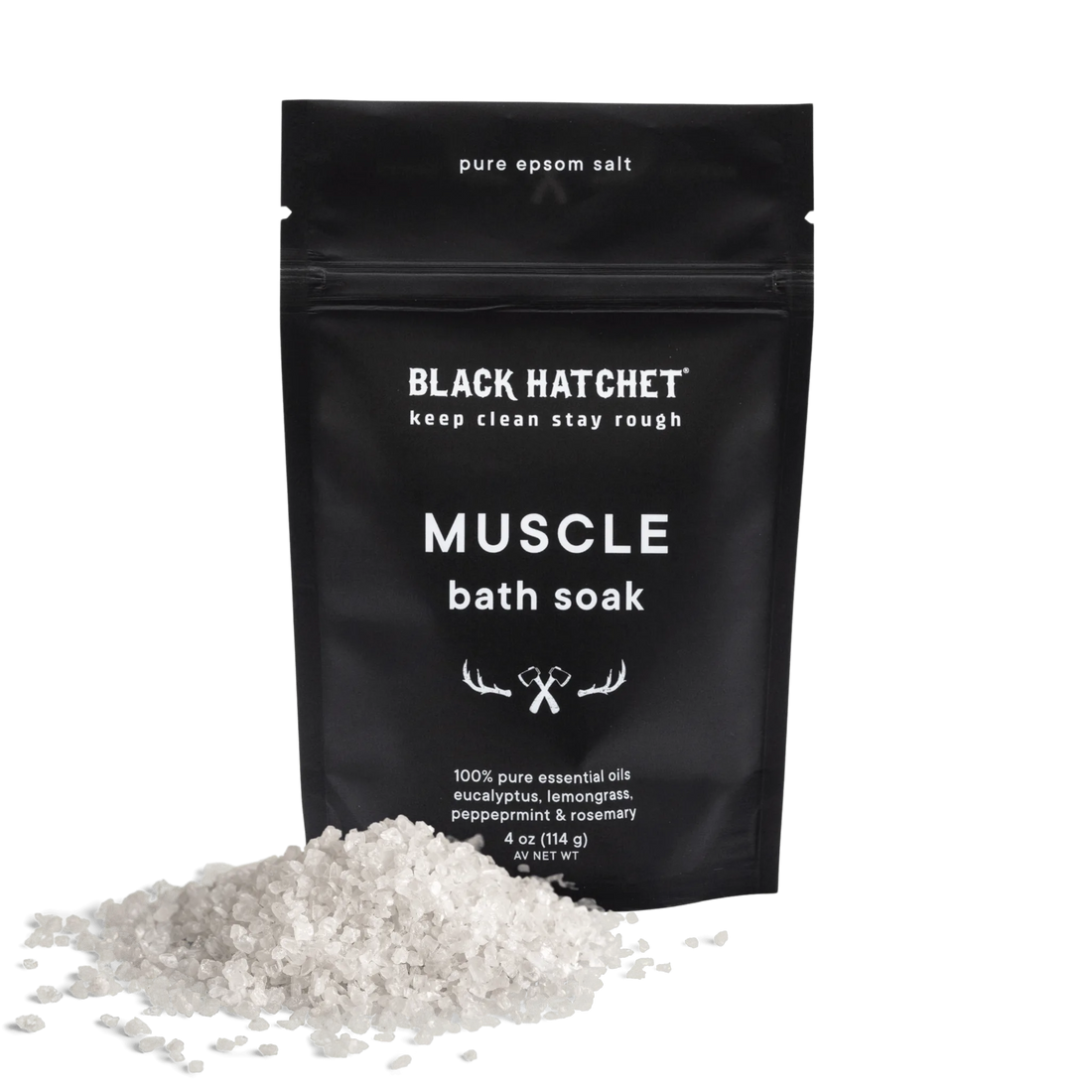
 Black Hatchet - Bath SoakBlack Hatchet - Bath Soak
- Regular price
-
$8.00 - Regular price
-
- Sale price
-
$8.00
Quick view
-
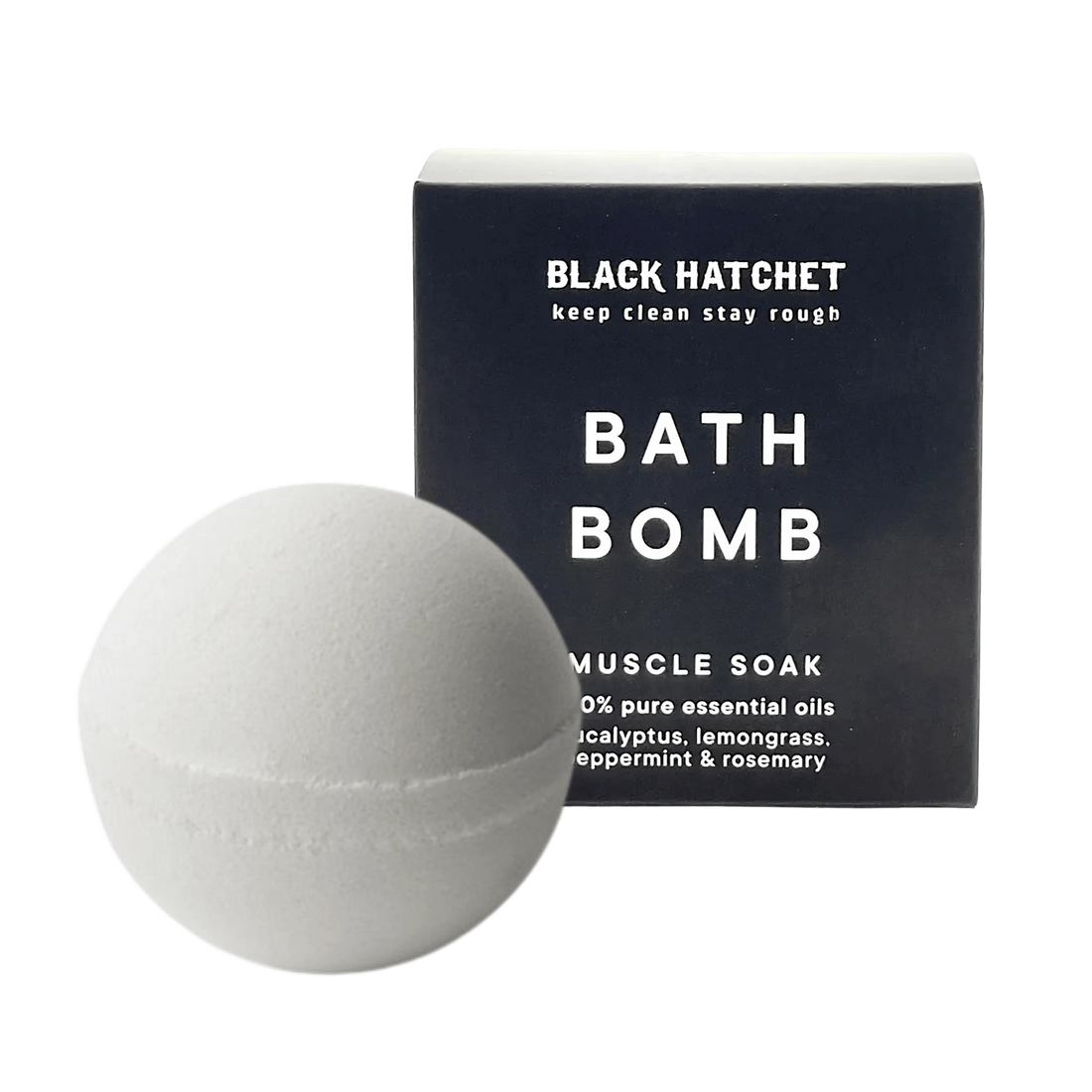 Black Hatchet - Aromatherapy Bath Bomb - MuscleBlack Hatchet - Aromatherapy Bath Bomb - Muscle
- Regular price
-
$8.00 - Regular price
-
- Sale price
-
$8.00
Quick view





Magnesium Questions, Answered
Does Epsom salt actually help muscle recovery?
The honest answer: partially. Epsom salt is magnesium sulfate, and topical magnesium does absorb through skin during a warm soak, though more slowly than the magnesium chloride flakes in our standard Magnesium Soak.
The heat itself is doing meaningful work too: warm water improves circulation, which clears post-workout stiffness.
Our Muscle Epsom Soak stacks the magnesium with eucalyptus, lemongrass, peppermint, and rosemary, all of which have a local analgesic effect on sore tissue.
You get three layers in one bath: heat, mineral absorption, and topical aromatherapy. Not a miracle, but a real recovery tool.
Magnesium oil, cream, or soak - which one for muscle recovery?
Depends on the muscle and the moment.
The Soak is for full-body recovery after a long day or a hard workout. Twenty minutes in warm water, magnesium chloride absorbs over your whole surface area.
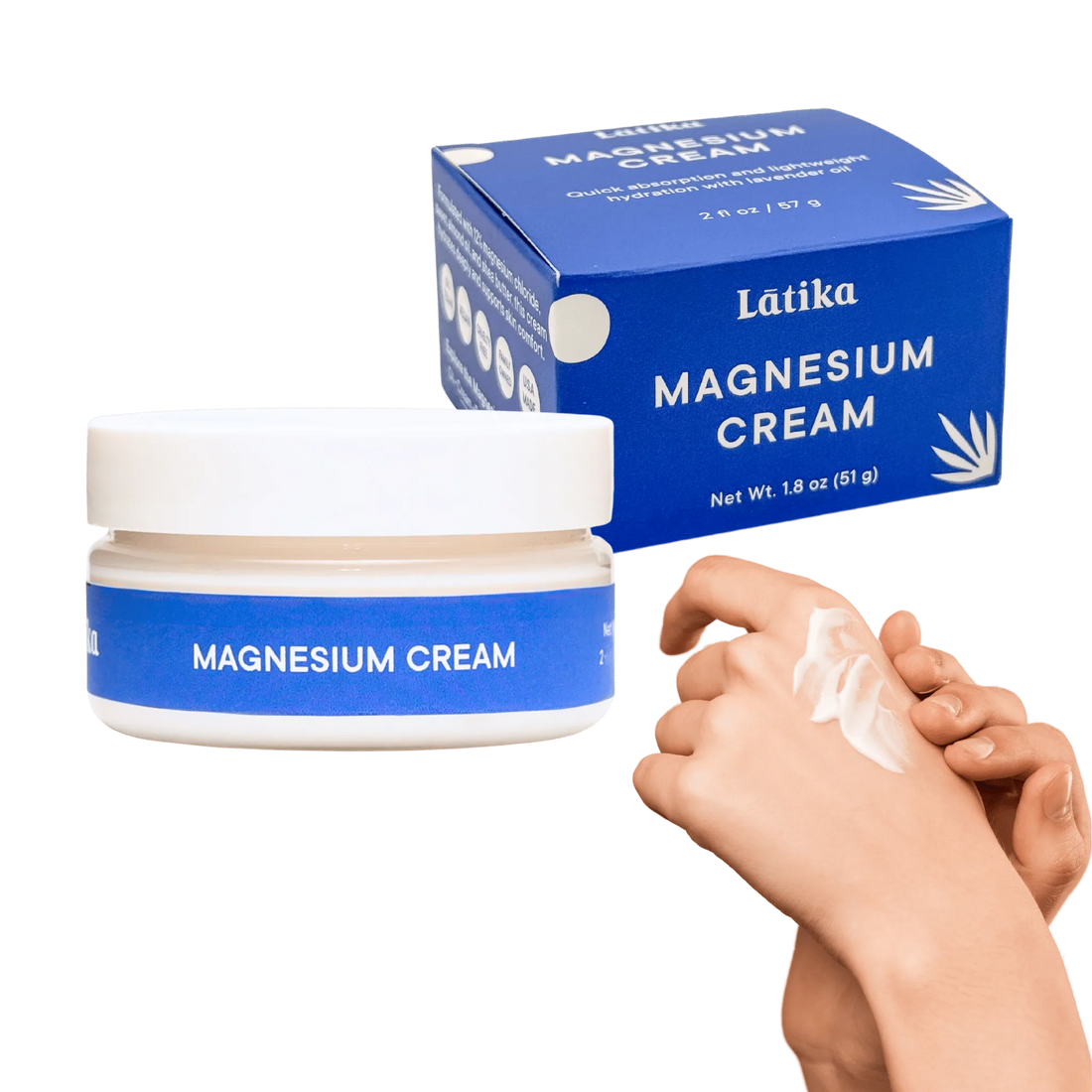
The Cream is for targeted application: a specific sore shoulder, lower back, or calves after running. 12% elemental magnesium, applied directly, absorbs within 15 to 30 minutes.
The Oil Spray is the same idea as the cream, but lighter weight, faster absorbing, and easier for high-frequency use (daily or twice-daily).
If you can only have one, the cream covers the most use cases. If you have a bathtub and the time for it, the soak is a deeper experience.
Does this work for chronic muscle tension, or just post-workout soreness?
Both, but differently. For acute soreness after exercise or physical labor, the relief is usually felt during or right after use, especially with the soak.
For chronic tension, the kind that builds in your neck or shoulders from posture, stress, or repetitive use, the effect builds over a week or two of consistent use, and works best paired with stretching or movement work. Topical magnesium isn't going to undo what your job is doing to your shoulders. It's going to give your nervous system enough relief to make the rest of your recovery work easier.
How often should I use this?
For active recovery: after every workout or hard physical day. Soak once or twice a week, the cream or spray as often as you need (safe daily).
For chronic tension, daily is fine. Most people see the best results with the cream applied at night before bed. It gives the magnesium a long contact window while you sleep, and the muscle relaxation supports falling asleep.
Is it safe for sensitive skin, pregnancy, or kids?
All Latika products are handcrafted in small batches in Texas, with recognizable ingredients. The Magnesium Soak has two ingredients: magnesium flakes and essential oil. The creams and oils have no synthetic fragrance, no parabens, no phthalates.
For sensitive skin: patch-test the spray or cream on your inner wrist first. The eucalyptus and peppermint can tingle on broken skin or in higher concentrations. That's the active compounds, not irritation.
For pregnancy or use with kids under 12: check with your doctor. There's nothing concerning in our formulas, but topical magnesium and certain essential oils have professional guidelines we'd rather defer to than guess at.


Magnesium Recovery Ritual
1. Run a warm bath
Fill the tub with water between 92 and 100 degrees Fahrenheit.
Warmer than skin temperature, cool enough to soak for 20 minutes without overheating.
2. Add Magnesium Soak
Pour 1/2 to 1 cup of Magnesium Soak (magnesium chloride flakes) into the running water. Let it dissolve.
3. Soak for 20 minutes
Get in. Stay 20 minutes. Magnesium absorption through skin builds gradually in the last 10 minutes, so don't rush it.
4. Pat dry, apply Magnesium Cream
Skip the towel-rub. Pat skin dry while it's still warm. Apply Magnesium Cream (12% elemental magnesium) to the spots that hold tension most: shoulders, lower back, and calves.
5. Optional: Oil Spray on non-bath days
On non-bath days, Magnesium Oil Spray on the same spots gives you a high-frequency dose without the bath ritual. Daily or twice-daily is fine.