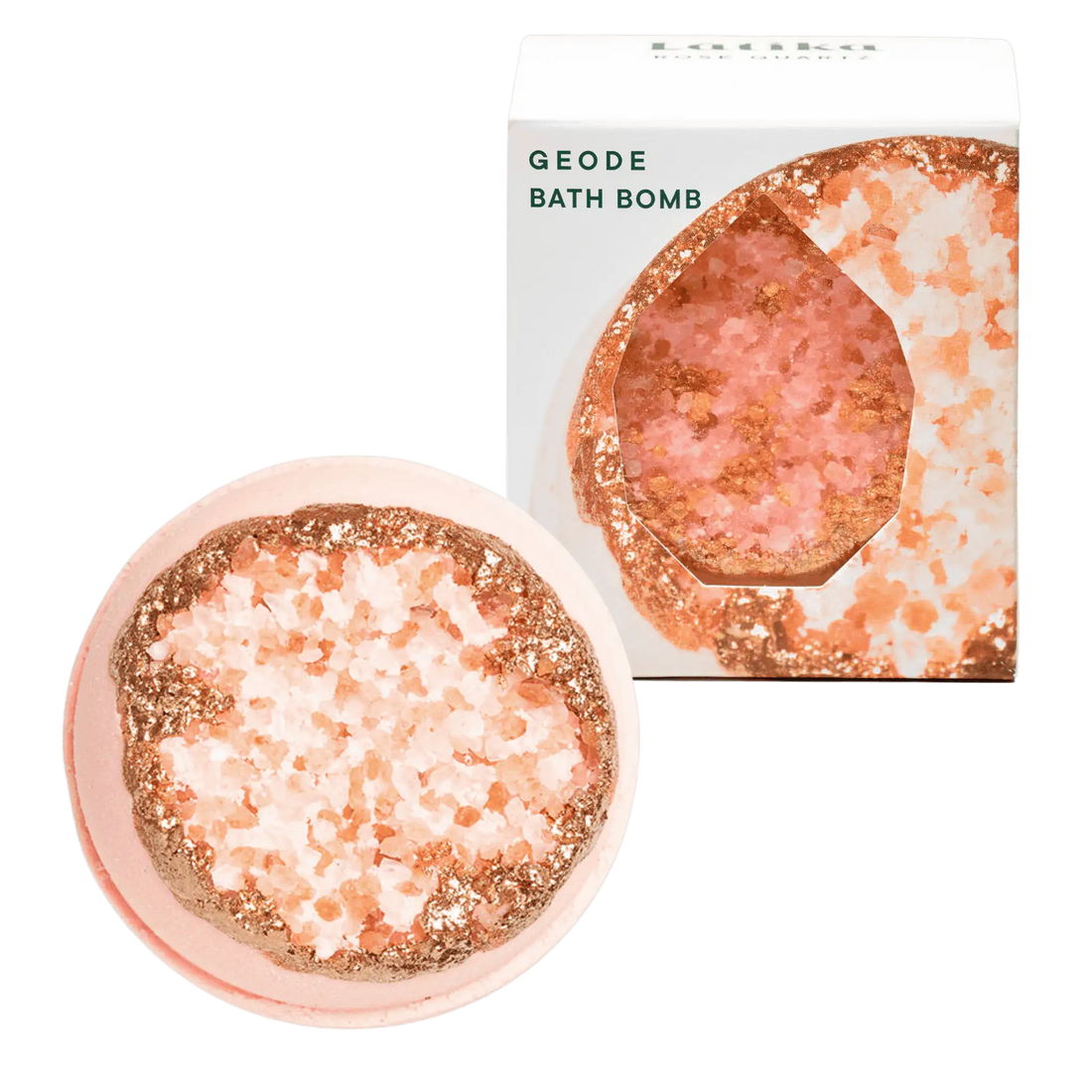
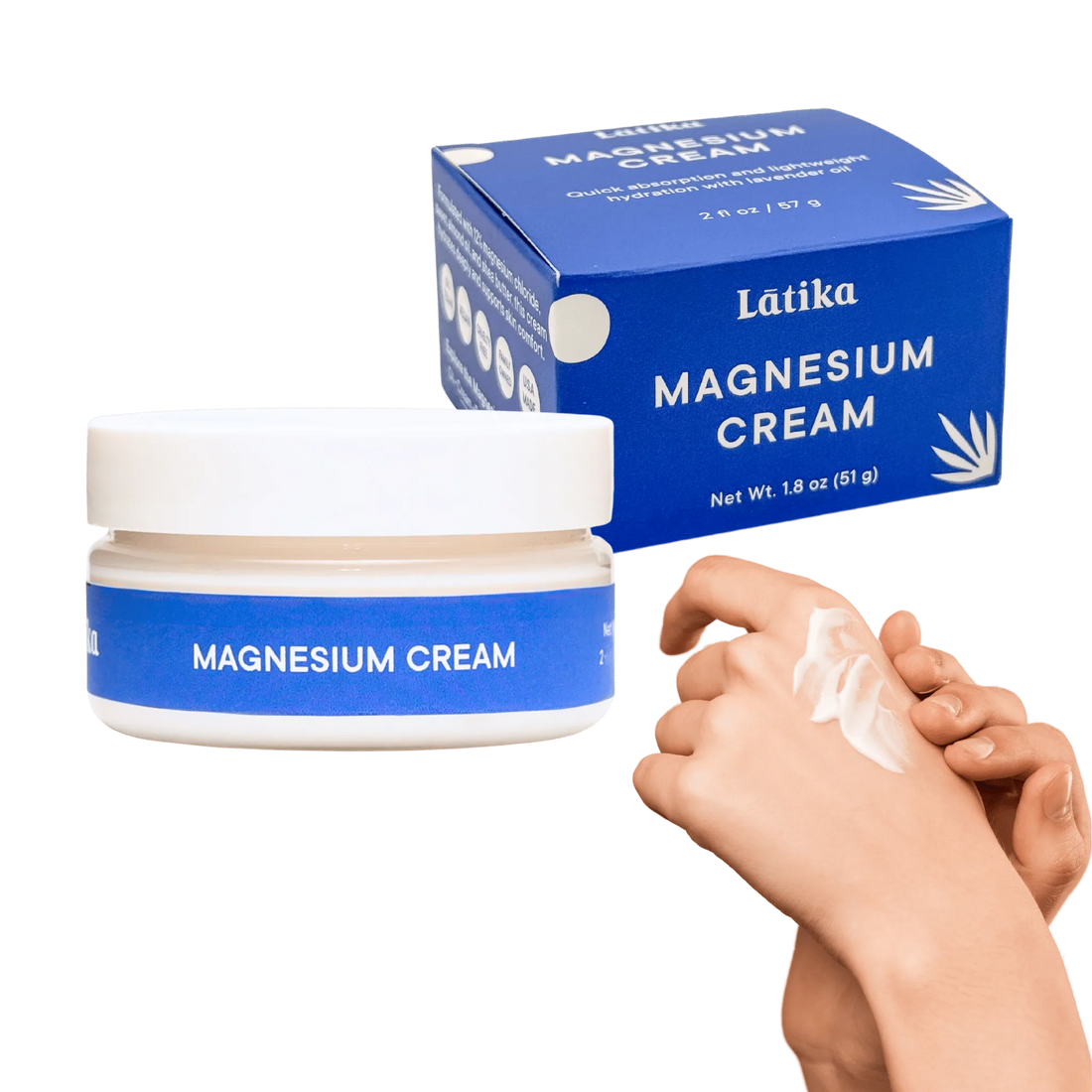
If you've explored topical magnesium, you've probably noticed two source names come up again and again: the Dead Sea and the Zechstein seabed.
Some brands position one as superior to the other. The reality is more interesting - and more useful to understand - than a simple "which is better."
What Are These Two Sources?
Topical magnesium products are typically made with magnesium chloride, a highly soluble mineral salt used in oils, sprays, bath flakes, creams, and balms. Two natural sources dominate the industry.
The Dead Sea sits between Israel and Jordan and is one of the most mineral-dense bodies of water on Earth. Centuries of natural evaporation have concentrated its mineral content to extraordinary levels. What makes Dead Sea brine distinctive is that it isn't just magnesium chloride — it contains a broader spectrum of minerals, including potassium, calcium, bromide, and sodium, all naturally occurring in the brine. This complex mineral profile is why Dead Sea bathing has been used therapeutically for thousands of years, from ancient civilizations to modern-day clinical treatment centers along its shores.
Magnesium chloride from the Dead Sea is harvested through controlled evaporation and purification, preserving this broader mineral composition.
The Zechstein Seabed is an ancient underground mineral deposit beneath parts of Northern Europe, formed roughly 250 million years ago. Unlike the Dead Sea, it's not a living body of water — it's a geological formation accessed through deep mining. It's often marketed for its age and its isolation from surface-level pollution.
So, Is One Better Than the Other?
Not inherently. Both can produce high-quality magnesium chloride. But they are different.
Dead Sea magnesium carries a naturally richer mineral profile because it comes from a living, mineral-dense ecosystem. Zechstein magnesium tends to be a purer, isolated form of magnesium chloride due to its geological conditions.
Whether that distinction matters depends on what you value. If you want magnesium chloride alongside complementary trace minerals - the way the body encounters them in nature - Dead Sea sourcing offers that. If you want a more isolated mineral compound, Zechstein serves that purpose.
Beyond the source, the factors that actually determine product quality are the purity standards applied during processing, the testing and quality control behind the finished product, how the magnesium is formulated (concentration, complementary ingredients, skin feel), and the brand's transparency about all of the above.
Why Do Brands Emphasize Source So Much?
Source matters - but it's not the whole story. Dead Sea sourcing carries a rich history of therapeutic mineral bathing and a naturally complex mineral profile. Zechstein sourcing emphasizes geological purity and ancient origins.
Both are legitimate starting points. What separates a good product from a great one is what happens after the raw material is sourced: how it's refined, formulated, tested, and delivered to your skin.
What About Synthetic Magnesium Chloride?
It's worth noting that not all magnesium chloride comes from natural sources. Some lower-cost products use industrially produced magnesium chloride, a byproduct of chemical manufacturing processes. This is one reason why asking about sourcing matters in the first place: natural origin from either the Dead Sea or the Zechstein is a meaningful baseline of quality.
What We Use
Our products are made with Dead Sea magnesium chloride. We chose this source for its naturally occurring trace mineral profile, its long history of therapeutic use, and the quality of the refined material we can source. Every batch is tested to ensure purity and consistency across our entire product range.
The source is where the story starts. Formulation and integrity are what make it finished.