The biggest barrier to self-care isn't a lack of desire. It's time.
Most self-care content assumes you have a free evening, a bathtub, and nowhere to be. The reality for most people is a packed schedule, a short window before bed, and the nagging feeling that taking care of yourself is something you'll get to eventually.
Here's the truth: five minutes is enough. Not for everything, but for something that your body will actually notice. These are three rituals you can do in the time it takes to scroll through your phone - each one designed around a different moment in your day.
The Morning Reset: Shower Steamer + Intentional Breathing
Time: 5 minutes. No extra steps added to your routine.
You're already taking a shower. This just makes it do more.
Place a shower steamer on the shower floor, away from the direct stream of water. Let the steam build as the warm water activates it. The aromatherapy releases gradually - eucalyptus to wake you up, lavender to calm you down, or citrus to sharpen your focus, depending on what you choose.
While the steam works, take five slow breaths. In through the nose, out through the mouth. Not because you're meditating - because your nervous system responds to deliberate breathing, whether you're thinking about it or not.
That's it. You step out of the shower, having done something for yourself before the day even starts. No extra time. No extra effort. Just a better version of something you were already doing.
The Midday Pause: Hand Cream + 60 Seconds of Stillness
Time: 1-2 minutes. Works anywhere - desk, car, kitchen counter.
This one sounds almost too simple. That's the point.
Keep a hand cream within reach - on your desk, in your bag, next to the kitchen sink. When you hit that midday wall where your focus is shot and your body is running on autopilot, stop for 60 seconds.
Apply the cream slowly. Work it into your hands, your knuckles, your wrists. Pay attention to the texture and the scent. This isn't about moisturizing - although your hands will thank you. It's about giving your brain a sensory interruption that breaks the cycle of go-go-go.
Sixty seconds of focused physical sensation resets your attention more effectively than another cup of coffee. Your hands feel better. Your mind gets a brief rest. You move on.
The Evening Wind-Down: Magnesium Cream + Intentional Transition
Time: 2-3 minutes. Right before bed.
The gap between your last activity and falling asleep is where most people lose the battle for good rest. You go from screens and stimulation straight to a pillow and wonder why your brain won't shut off.
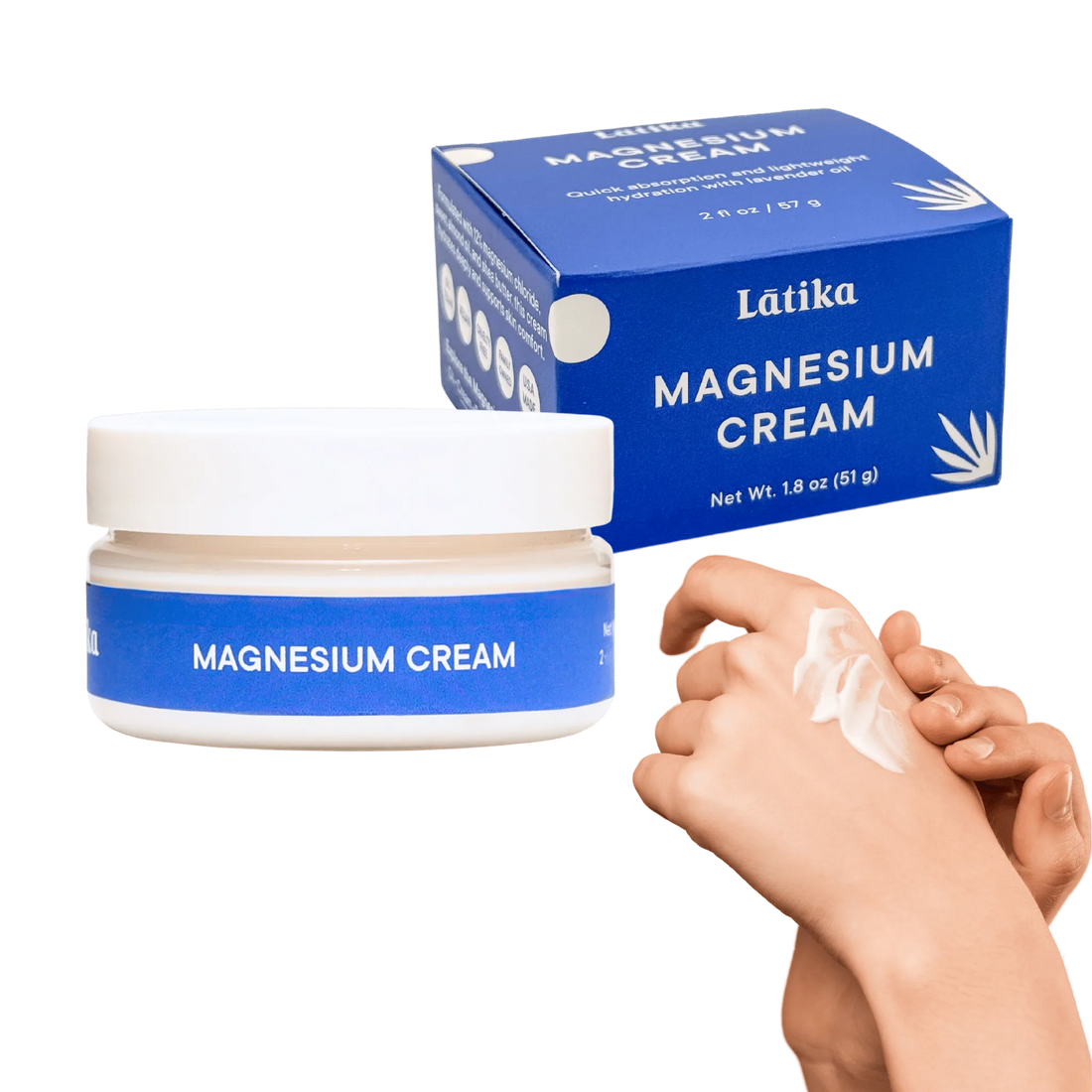
Magnesium cream creates a physical transition point. Apply it to your neck, shoulders, calves, or the bottoms of your feet - wherever you carry the day's tension. The magnesium absorbs quickly and begins working on muscle relaxation while signaling your nervous system that the active part of the day is over.
This isn't a bath. It's not a 30-minute ritual. It's two minutes of deliberate, physical care right before sleep. The consistency is what makes it work - do it nightly, and your body starts associating the routine with winding down. Within a week or two, the ritual itself becomes a sleep cue.
Expert Insight: Transition rituals - small, consistent physical actions that mark the shift from one mode to another - are one of the most effective behavioral tools for improving sleep quality. The specific action matters less than the consistency. When your body learns to associate a particular sensation with rest, it begins the wind-down process automatically.
Why Five Minutes Works
The self-care industry has created an expectation that taking care of yourself requires time, space, and a full production. That's not wrong for the days when you have it. But for the other 90% of your life, the five-minute version is what keeps the habit alive.
A shower steamer in the morning. Hand cream at your desk. Magnesium cream before bed. None of these is dramatic. All of them are noticeable. And they're sustainable in a way that a twice-weekly bath ritual never will be for someone with a full schedule.
The best self-care routine isn't the most elaborate one. It's the one you actually do.