Aloe vera is the default after-sun product for a reason. It cools on contact, reduces redness, and delivers lightweight hydration to irritated skin. It works.
But it's not the full picture. If your only post-sun strategy is aloe, you're addressing the surface symptoms without supporting the deeper recovery your skin needs after UV exposure and heat.
Here's what actually happens to your skin in the sun - and how to care for it properly afterward.
What Sun Exposure Does to Your Skin
UV radiation and heat affect your skin on multiple levels. Understanding what's happening helps you choose the right recovery approach.
Moisture depletion. Sun and heat accelerate trans-epidermal water loss - the process by which moisture evaporates from your skin's surface. A full day outside can leave your skin significantly more dehydrated than normal, even if you don't feel sunburned.
Barrier disruption. UV exposure weakens the lipid layer that supports your moisture barrier. This means your skin loses its ability to retain hydration on its own, creating a cycle where you feel progressively drier over the following days.
Inflammation. Even without a visible sunburn, UV exposure triggers an inflammatory response in the skin. This can show up as redness, sensitivity, or a general feeling of tightness that lingers after the heat fades.
Surface damage. Heat and sun accelerate the buildup of dead skin cells on the surface, which is why skin often feels rough or dull after a few days of heavy sun exposure.
Why Aloe Isn't Enough on Its Own
Aloe vera effectively addresses the immediate symptoms. It cools, calms redness, and provides lightweight surface hydration. For minor sunburn or heat irritation, it's the right first step.
But aloe is primarily a humectant - it draws moisture to the skin's surface without doing much to seal it in. On its own, the relief is temporary. The moisture it delivers evaporates relatively quickly, which is why aloe can feel like it's helping in the moment, but your skin still feels dry an hour later.
What sun-stressed skin needs beyond aloe is barrier repair - ingredients that not only deliver moisture but lock it in and help rebuild the protective layer that UV exposure compromised.
Expert Insight: The most effective after-sun approach combines humectants (like aloe and glycerin) that draw moisture to the skin with emollients and occlusives (like shea butter and natural oils) that seal it in. This two-layer approach addresses both immediate hydration and longer-term barrier recovery.
How to Care for Your Skin After Sun Exposure
Step 1 - Cool down first. Shower with lukewarm water - not hot. Hot water feels soothing in the moment, but strips additional moisture from already-depleted skin. A cool to lukewarm rinse lowers your skin's temperature without adding to dehydration.
Step 2 - Skip the scrub. If you normally exfoliate, skip it for a day or two after heavy sun exposure. Your skin's surface is already stressed and potentially inflamed. Scrubbing can cause micro-irritation and delay recovery. Let your skin calm down before resuming exfoliation.
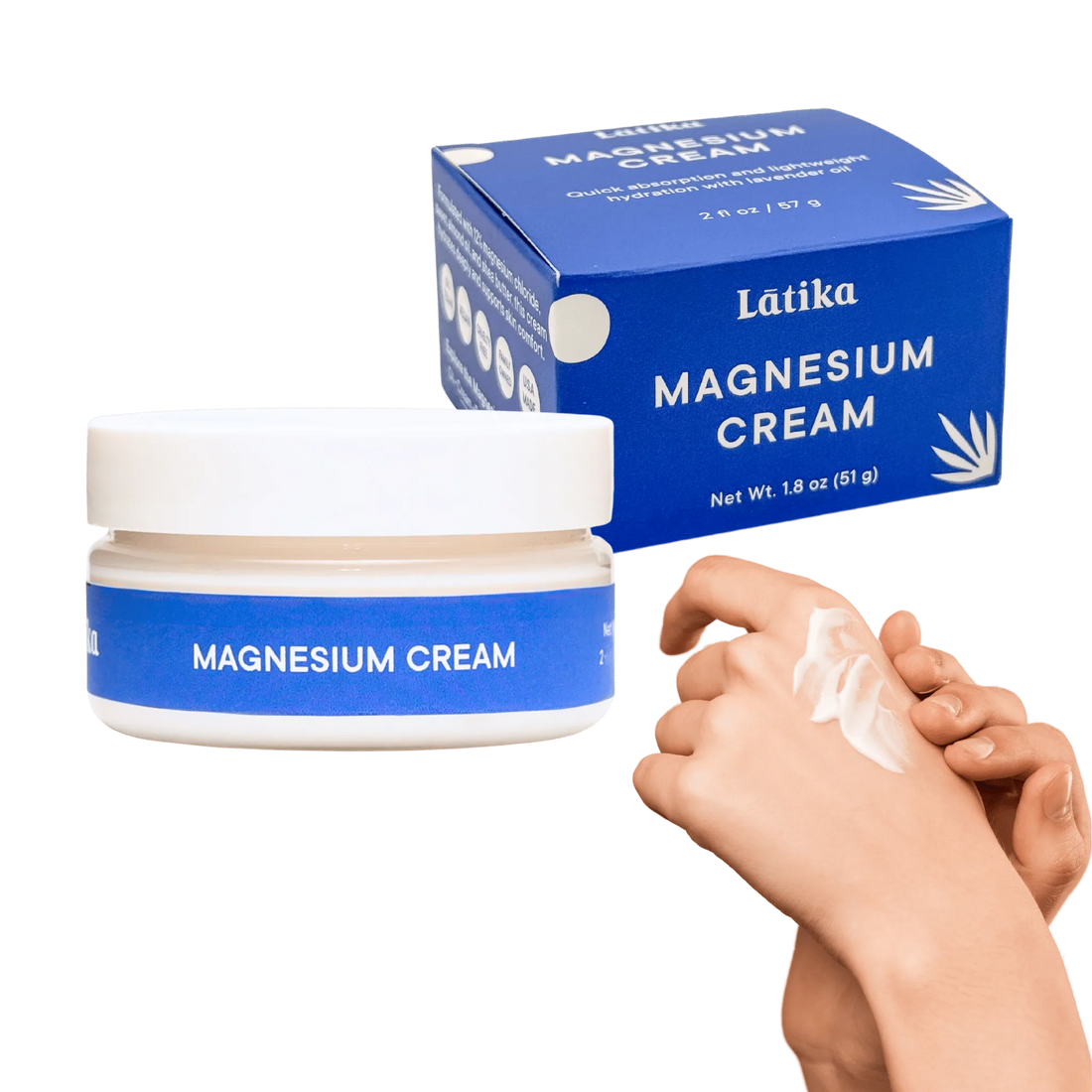
Step 3 - Hydrate while damp. This is the most important step. Within two to three minutes of showering, while skin is still slightly damp, apply a body cream with both humectant and emollient ingredients. Shea butter, glycerin, and natural oils work together to deliver and seal in moisture.
Don't apply a thin layer and call it done. Sun-depleted skin needs a generous application. Cover your arms, legs, shoulders, chest - everywhere that was exposed. Your skin will absorb more than usual because the barrier is compromised, which means you're getting maximum benefit from every application.
Step 4 - Repeat the next morning. One application isn't enough to repair a disrupted moisture barrier. Apply body cream again the following morning, and continue for two to three days after significant sun exposure. Consistency during this recovery window is what prevents the delayed dryness and flaking that shows up days after being in the sun.
What About a Soak?
If your skin needs more than surface hydration, a bath soak can deliver recovery across your entire body at once.
Our Soothe soak is designed for exactly this kind of moment - coconut milk and oat milk in a fragrance-free formula. Oat milk has documented skin-calming properties that help reduce irritation and redness. Coconut milk delivers gentle, nourishing hydration without any added fragrance that could irritate sensitized skin.
A lukewarm bath (not hot) with the Soothe soak for 15-20 minutes lets your entire body benefit at once. Follow it with body cream on damp skin, and you've covered both immediate calming and longer-term barrier repair in one routine.
The After-Sun Routine
Immediately after: Lukewarm shower. Body cream on damp skin. Generous application.
That evening: Optional Soothe soak (15-20 minutes, lukewarm water). Body cream again afterward.
Next 2-3 days: Body cream morning and evening. No scrubbing. Let the barrier rebuild.
Resume normal routine: Once skin feels hydrated and calm again, return to your regular exfoliation and product schedule.
The goal isn't to add complexity. It's to give your skin what it needs during a specific recovery window - and the most effective thing you can do is apply the right cream at the right time, consistently, for a few days.