A bath can be a rinse, or it can be a reset. The difference isn't about candles or playlists. It's about what you put in the water, how you prepare your skin, and what you do afterward.
This is a practical guide to building a bath ritual that goes beyond the surface - one that softens your skin, eases muscle tension, and gives your nervous system a real signal to wind down.
Before the Bath: Prep Your Skin
Most people skip this step entirely, and it's the one that makes the biggest difference in how your skin feels the next morning.
Before you get in the water, use a body scrub on dry or slightly damp skin. Focus on areas with buildup: shins, elbows, knees, and upper arms. Gentle, circular motions for about two minutes. That's it.
Exfoliating before a bath does two things. First, it clears the dead skin layer that blocks absorption. Second, it means every ingredient in the water - the minerals, the oils, the magnesium - can actually reach fresh skin and do its job.
Rinse off the scrub and you're ready to get in.
Expert Insight: Exfoliating before soaking rather than after is important. Post-soak skin is softer and more vulnerable, which makes scrubbing more likely to cause irritation. Pre-soak exfoliation is gentler and more effective.
Drawing the Bath: What Goes in the Water Matters
Fill the tub with warm water - not hot. Hot water feels good in the moment but strips moisture from your skin and can leave you feeling dehydrated rather than restored. Warm water opens pores, relaxes muscles, and allows better absorption of minerals and oils.
Choose your soak based on what your body needs:
If you're carrying tension or soreness, a magnesium bath soak. Magnesium absorbs through the skin and works directly on muscle relaxation and nervous system calming. This is the most functional option.
If you want to decompress and settle your mind, a calming soak with lavender or stress-relief blends. The combination of warm water and targeted aromatherapy helps shift your body from alert mode to rest mode.
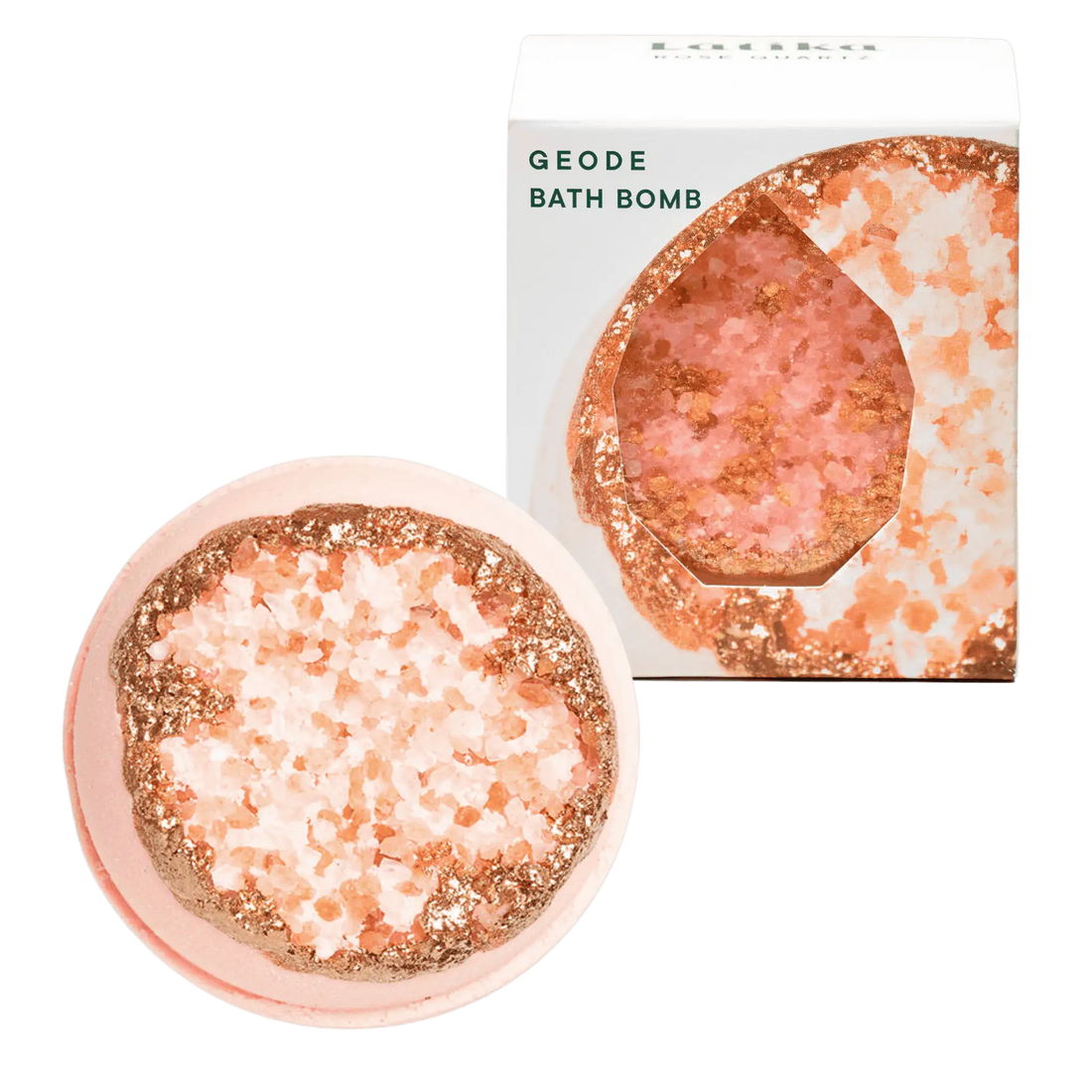
If you want a sensory experience - a bath bomb. The fizz, color, and scent create an immersive moment that makes the ritual feel distinct from the rest of your day. Our bath bombs are formulated with skin-nourishing ingredients and water-soluble colorants that won't stain your tub or skin.
You can also combine them. A magnesium soak paired with a bath bomb delivers both mineral benefits and a sensory experience. Drop the soak in first, let it dissolve, then add the bomb.
In the Bath: Give It Time
This is the part most people shortchange. Five minutes in the tub isn't a ritual - it's a rinse.
Aim for 15 to 20 minutes. This is the window where the real benefits happen. Magnesium needs time to absorb through the skin. Muscle tension needs sustained warmth to release. Your nervous system needs more than a few minutes to shift out of the pace it's been running all day.
You don't need to do anything during this time. No meditation required. No breathing exercises unless you want them. Just being still in warm water for 20 minutes does more for your body than most people realize.
If you want to add something, keep it simple. Close your eyes. Breathe slowly. Let the scent from the soak or bomb fill the space around you. The aromatherapy is doing work whether you're focused on it or not.
Getting Out: The Two-Minute Window
How you handle the first two minutes after your bath determines how your skin feels for the next 24 hours.
Pat dry gently - don't rub. Your skin has just spent 20 minutes softening and absorbing minerals. Rubbing with a towel strips moisture from the surface layer right when it's most vulnerable.
While your skin is still slightly damp - within two to three minutes of stepping out - apply body cream. Damp skin absorbs moisture significantly more effectively than dry skin. This is the step that locks in everything the bath just delivered.
Work the cream into your arms, legs, shoulders, and anywhere that tends to feel dry. Don't rush this. It takes 60 seconds and makes a noticeable difference.
Expert Insight: Applying moisturizer to damp skin works because water on the skin's surface helps carry the cream's ingredients into the upper layers of the epidermis. Emollients in the cream then seal that moisture in, reinforcing the skin's natural barrier. Waiting too long and applying to fully dry skin reduces this effect significantly.
Extending the Benefits: Before Bed
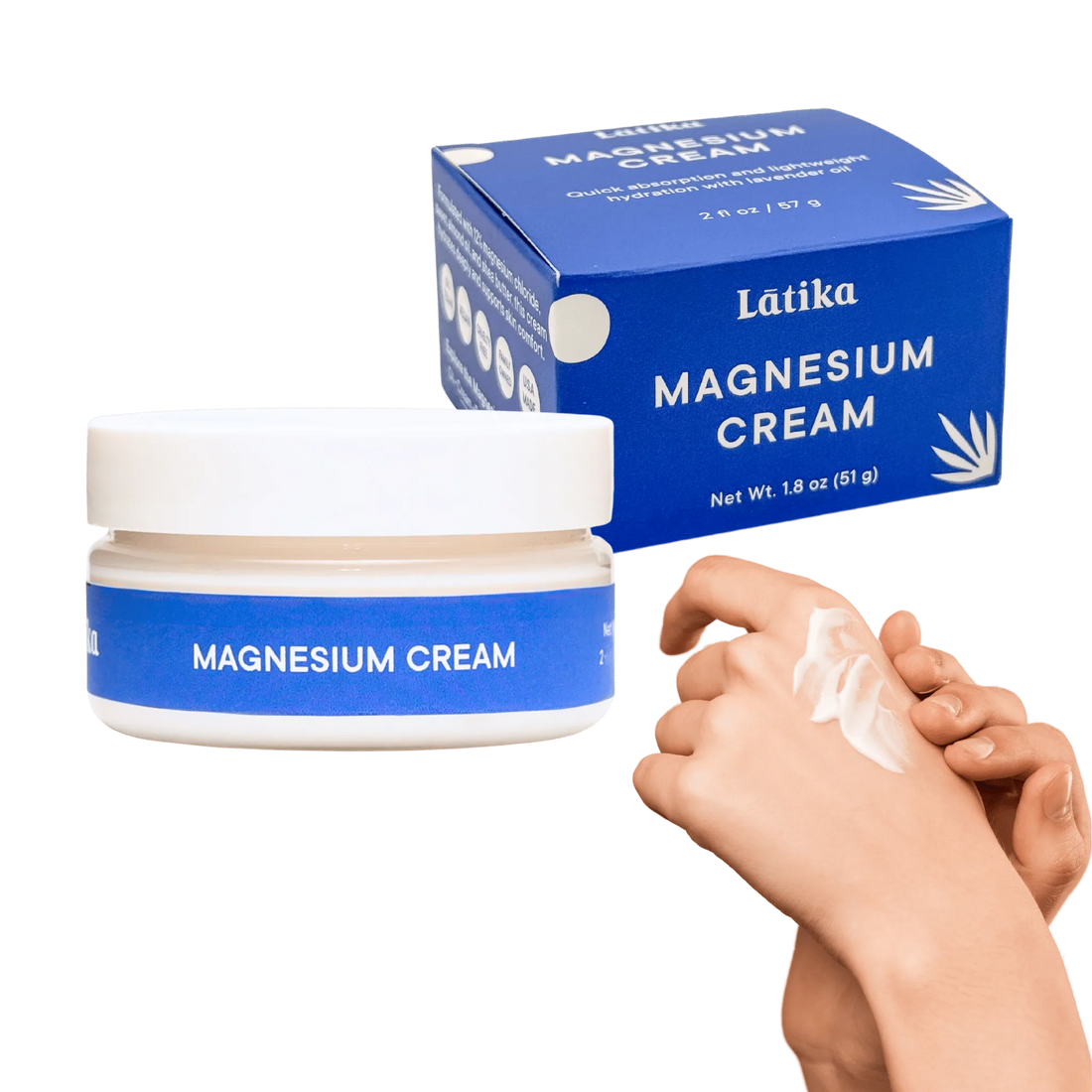
If you want to take the ritual one step further, add a magnesium cream layer as your final step before bed. Apply it to your neck, shoulders, calves, or the bottoms of your feet - wherever you hold tension.
This works alongside the magnesium you absorbed in the bath, continuing to support muscle relaxation and sleep quality through the night. It absorbs quickly, leaves no residue, and signals your body that the day is done.
Building Your Ritual
A bath ritual doesn't need to be elaborate to be effective. Here's the framework:
Before: Body scrub on dry skin. Rinse. Two minutes.
During: Warm water with a soak, a bath bomb, or both. 15-20 minutes.
After: Pat dry. Body cream on damp skin within two minutes. 60 seconds.
Optional: Magnesium cream before bed. 30 seconds.
Total active time: under five minutes of actual effort. The rest is soaking.
The difference between a bath that leaves you feeling clean and a bath that leaves you feeling restored isn't complexity. It's knowing what to put in the water, when to prep your skin, and how to seal the benefits in afterward. Once you've done it a few times, it stops being a process and starts being the part of your evening you look forward to most.